Introduction
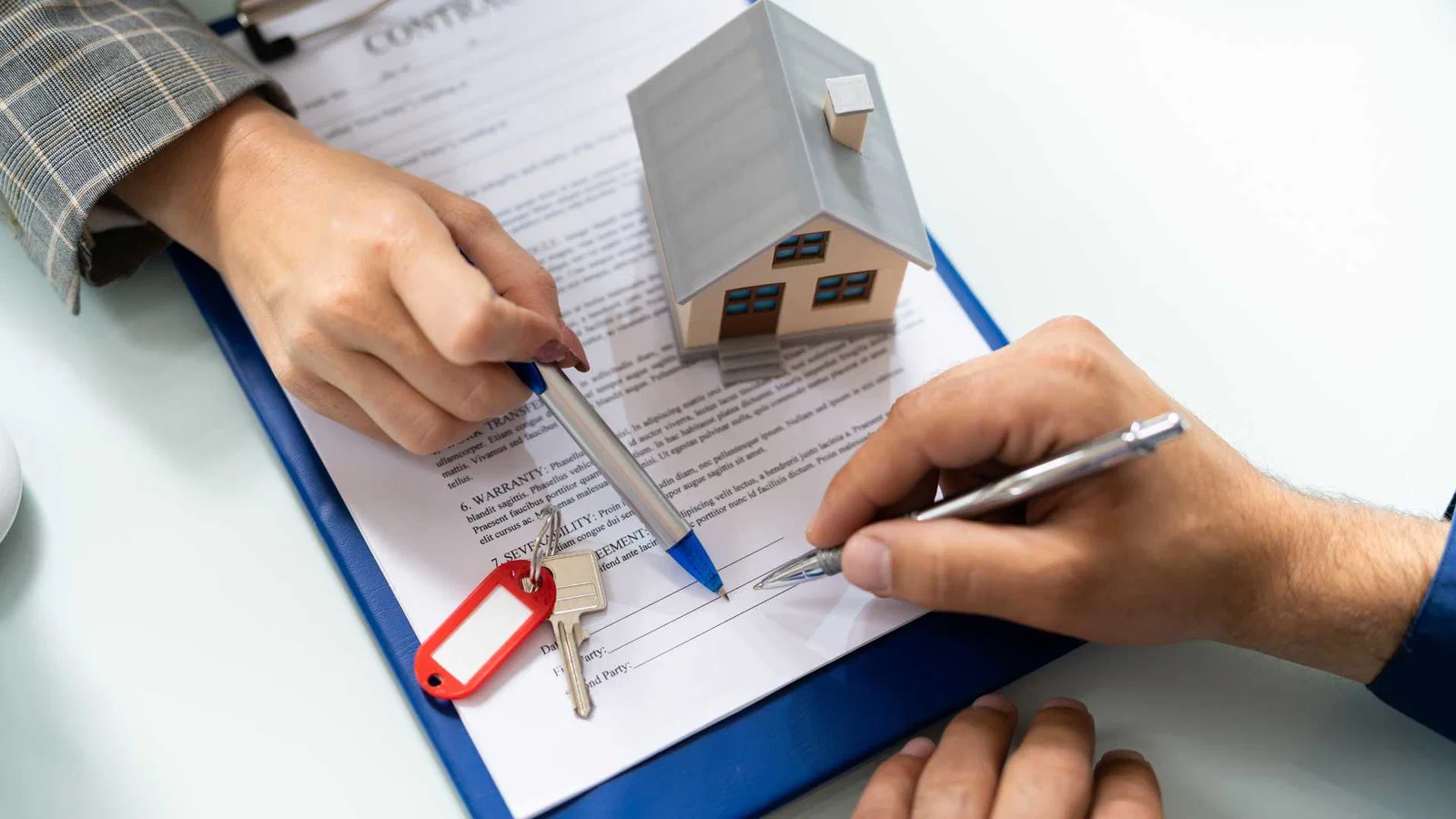
A family finds their dream flat, pays the token amount, and only later discovers the seller didn’t actually have clear title to sell it. This is more common than it should be, and it’s exactly why property document verification isn’t optional — it’s the single most important step before any real estate transaction. In 2026, with RERA and digital land records expanding across more states, verification has gotten easier, but skipping it entirely still leads to disputes that drag on for years.
Why Verification Matters So Much
Property disputes in India often stem from unclear titles, multiple claimants, or fraudulent documentation. A little diligence upfront can save you from years of litigation and potentially losing your entire investment.
Quick answer: Property document verification involves checking the title deed, encumbrance certificate, property tax receipts, approved building plan, and RERA registration (for new projects) to confirm the seller has clear, marketable title before any payment is made.
Documents You Must Check
- Title Deed / Sale Deed — establishes the chain of ownership
- Encumbrance Certificate — shows if the property has any pending loans, mortgages, or legal disputes
- Property Tax Receipts — confirms taxes are paid up to date and there’s no dispute with local authorities
- Approved Building Plan — verifies construction is legally sanctioned, not unauthorized
- Occupancy Certificate — confirms the building is fit for occupation as per municipal norms
- RERA Registration — mandatory for most new residential projects, verifiable online through state RERA portals
Step 1: Trace the Title Chain
Don’t just check the current owner’s documents — trace ownership back at least 13-30 years (depending on state practice) to ensure there’s no break or dispute anywhere in the chain of title.
I’ve noticed buyers often stop at verifying the immediate seller’s documents, without realizing a defect several transfers back can still affect their ownership today.
Step 2: Obtain the Encumbrance Certificate
This document, obtainable from the Sub-Registrar’s office, shows all registered transactions on the property for a specified period — mortgages, sales, gifts — helping you spot any hidden liabilities.
Quick answer: An Encumbrance Certificate reveals whether a property has any pending loans, mortgages, or legal claims registered against it, and buyers should obtain one covering at least the past 13-15 years before finalizing a purchase.
Step 3: Verify Land Use and Zoning
Check whether the land is zoned for residential, commercial, or agricultural use, since buying agricultural land assuming residential use is possible has led to serious legal complications for many buyers.
Step 4: Check for Pending Litigation
A simple search at the relevant civil court, or hiring a lawyer to conduct a litigation search, can reveal if the property is currently under any legal dispute — something sellers don’t always disclose voluntarily.
Picture a buyer who skipped this step and later discovered the property was under a partition suit between siblings — years of litigation followed, all avoidable with a basic court records check upfront.
Step 5: Confirm RERA Registration for New Projects
For under-construction properties, verify the project’s RERA registration number on the respective state’s RERA website — this shows approved plans, promised delivery timeline, and any pending complaints against the developer.
Step 6: Physical Verification
Beyond paperwork, physically visit the property, check boundaries match the documents, and confirm there’s no unauthorized construction or encroachment.
FAQs
Q1. What is the most important document to check before buying property? The title deed and encumbrance certificate together form the core of verification, confirming clear ownership and no hidden liabilities.
Q2. How far back should I check the property’s title history? Most experts recommend tracing ownership back at least 13-30 years, depending on state-specific conventions and available records.
Q3. Is RERA registration mandatory for all properties? It’s mandatory for most new residential and commercial projects above a certain size, though resale properties may not require it.
Q4. Can I verify property documents myself, or do I need a lawyer? Basic checks can be done independently through online portals, but a lawyer’s title search adds a crucial layer of protection against hidden issues.
Q5. What happens if I buy property with defective title? You risk losing the property in future litigation, potential financial loss, and difficulty in reselling — hence the importance of upfront verification.
Conclusion
Property document verification isn’t glamorous work, but it’s the single step that protects your biggest financial investment from turning into a legal nightmare. Before you pay even a token amount, get a lawyer to conduct a proper title search and encumbrance check — the cost of this due diligence is nothing compared to the cost of fighting a property dispute for the next decade.
Suggested Alt Text for Images:
- “Property document verification checklist India”
- “Encumbrance certificate sample property document”
- “RERA registration verification portal illustration”