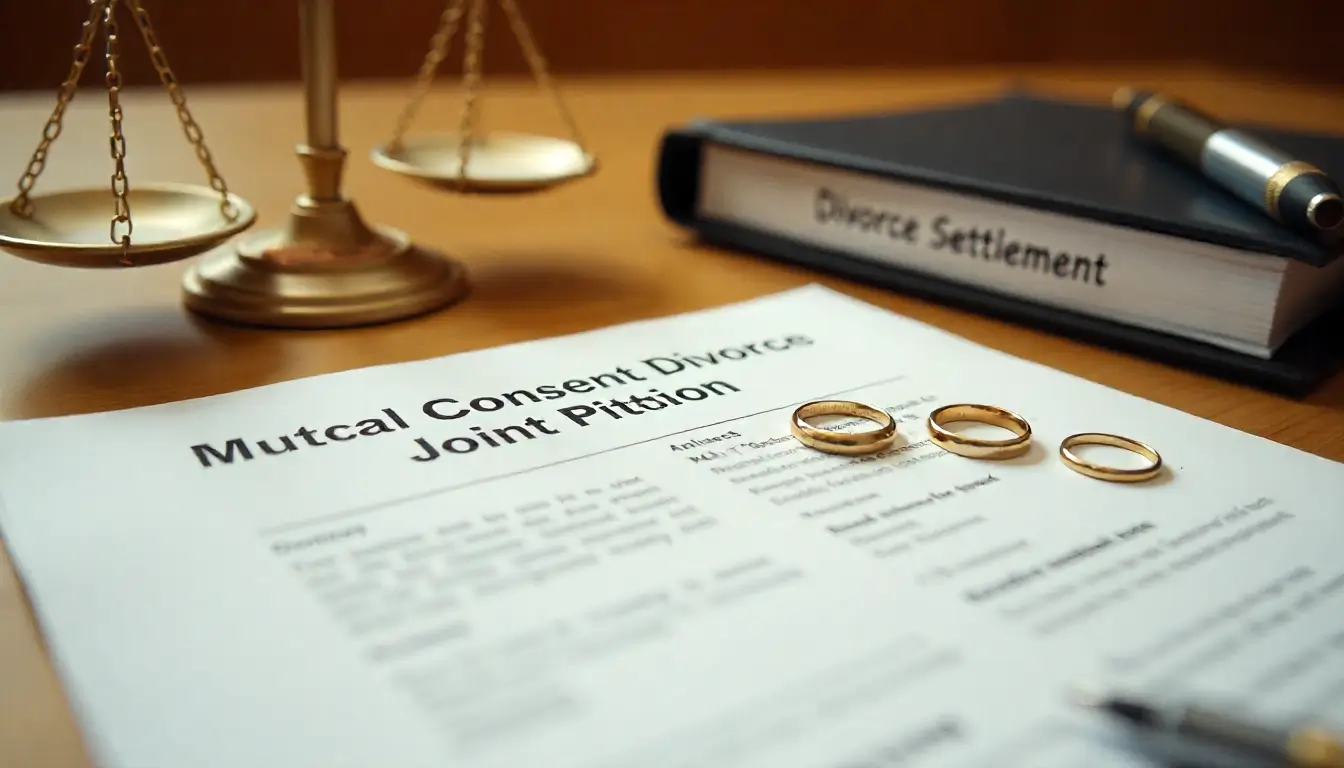
Introduction
Two people decide, without drama or blame games, that the marriage just isn’t working anymore. That’s the scenario where the mutual divorce process actually shines — it’s faster and far less bitter than a contested divorce. But “faster” is relative in Indian courts, and a lot of couples go in expecting a same-week resolution, which just isn’t realistic. In 2026, most family courts still require the same core steps, though a few states have started allowing certain filings online.
What Is Mutual Divorce?
It’s a divorce where both spouses agree to end the marriage and have sorted out (or are willing to sort out) issues like alimony, custody, and property division without a prolonged legal battle.
Quick answer: The mutual divorce process in India requires both spouses to jointly file a petition under Section 13B of the Hindu Marriage Act (or equivalent provisions in other personal laws), followed by a mandatory 6-month cooling period before the second motion and final decree.
Step 1: Joint Petition (First Motion)
Both spouses file a joint petition before the family court stating they’ve been living separately for at least a year and mutually agree to divorce.
Step 2: The 6-Month Cooling Period
This is the part that frustrates most couples. After the first motion, courts impose a mandatory 6 to 18-month waiting period (extendable up to 18 months) — meant to give both parties time to reconsider. Courts can waive this in specific circumstances, following the Amardeep Singh v. Harveen Kaur judgment, but it’s not automatic.
Step 3: Second Motion
After the cooling period, both parties appear again to confirm they still want the divorce. If either party backs out at this stage, the mutual divorce petition fails, and you’d have to consider a contested divorce instead.
I’ve noticed couples sometimes assume mutual consent means the process is “locked in” from day one — it’s not. Either spouse can withdraw consent right up until the final decree.
Step 4: Settlement of Alimony, Custody, and Property
This usually gets negotiated before or during the first motion, ideally through a written settlement agreement covering:
- One-time or periodic alimony amount
- Child custody and visitation arrangement
- Division of jointly owned property or assets
Quick answer: Alimony in mutual divorce is negotiated between spouses and isn’t fixed by law — it can be a lump sum or periodic payment, and courts generally respect whatever both parties agree to, provided it’s not unconscionable.
Step 5: Final Decree
Once the court is satisfied that consent is genuine (not obtained under pressure) and all terms are fair, it passes the divorce decree, legally dissolving the marriage.
Documents You’ll Need
- Marriage certificate
- Proof of address for both spouses
- Income proof (relevant for alimony discussions)
- Photographs from the wedding, sometimes required as evidence of marriage
- Settlement agreement, if prepared in advance
Can Mutual Divorce Happen Without Lawyers?
Technically yes, but given the settlement drafting and court procedure involved, most couples still engage lawyers — even if just to draft the settlement terms clearly enough to avoid future disputes.
FAQs
Q1. How long does mutual divorce take in India? Typically 6 months to 18 months, factoring in the mandatory cooling period, though some courts waive this under specific conditions.
Q2. Can one spouse withdraw consent after filing? Yes, either spouse can withdraw consent anytime before the final decree, which would end the mutual divorce proceedings.
Q3. Is alimony compulsory in mutual divorce? Not compulsory by law — it’s negotiated between spouses, and courts approve whatever amount both agree upon.
Q4. Do both spouses need to be physically present in court? Generally yes, for both motions, though some courts have permitted video conferencing appearances in specific circumstances.
Q5. Can mutual divorce happen without a 1-year separation? The general rule requires living separately for at least a year, though courts have relaxed this in certain hardship cases.
Conclusion
Mutual divorce is genuinely the least painful legal route to ending a marriage, but it still demands patience, especially through the cooling-off period, and careful documentation of settlement terms. If you and your spouse are both on the same page, start by drafting a clear settlement agreement before filing — it saves a lot of back-and-forth once the case is in court.
Suggested Alt Text for Images:
- “Mutual divorce process India steps flowchart”
- “Family court petition documents for divorce”
- “Divorce settlement agreement signing illustration India”